Autohive: a website that keeps pace with their marketing team

  • 8

    A/B tests run on the live site in their first month of testing

  • 1.9x

    more pricing-card conversions from a pricing page test

  • 1,250+

    pages built on the site, from CMS templates and static pages

A first website built on a component framework their marketing team runs themselves, with their own AI agents and Split testing plugged straight in.

Where they started

Autohive builds AI agents that take repetitive work off a team's plate, and they needed their first website. They partnered with Signal Studio because they wanted an agency that could match the speed of an AI automation company. Their marketing team ships constantly: launch pages, partner programmes, webinars, live build sessions, new campaigns every few weeks. They wanted a Webflow site that kept that pace from day one, and one their own people could change quickly without being afraid of breaking it the week before a launch.
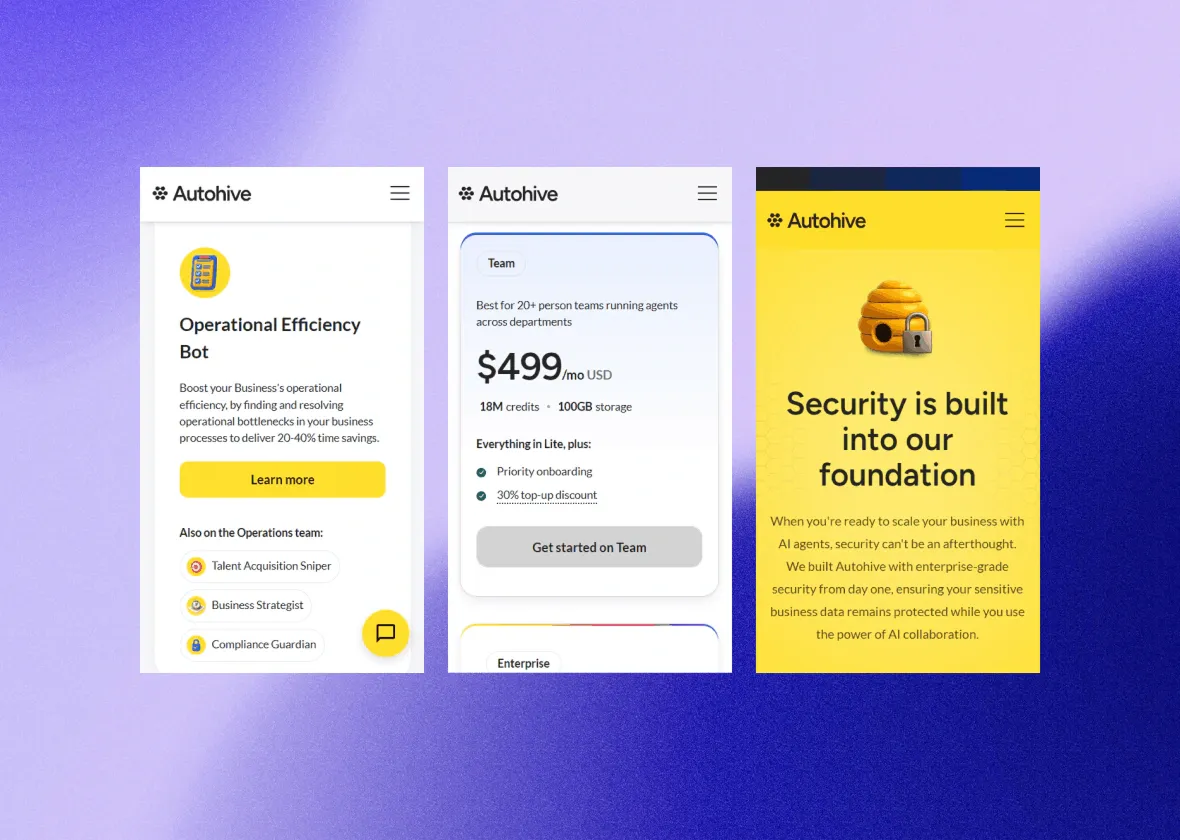
Three Autohive app screens on a violet gradient: an efficiency bot, a plan, and the security page.
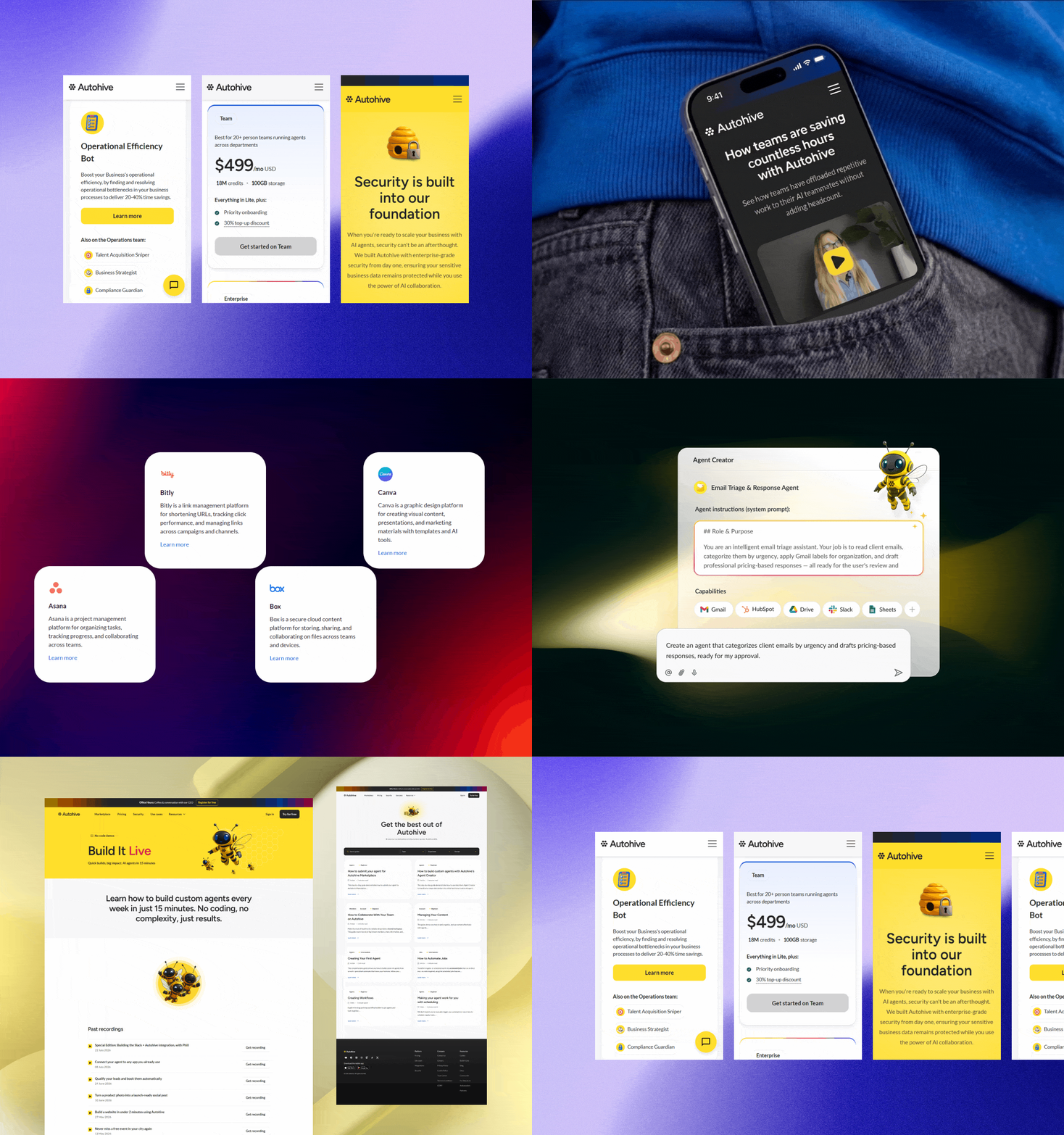
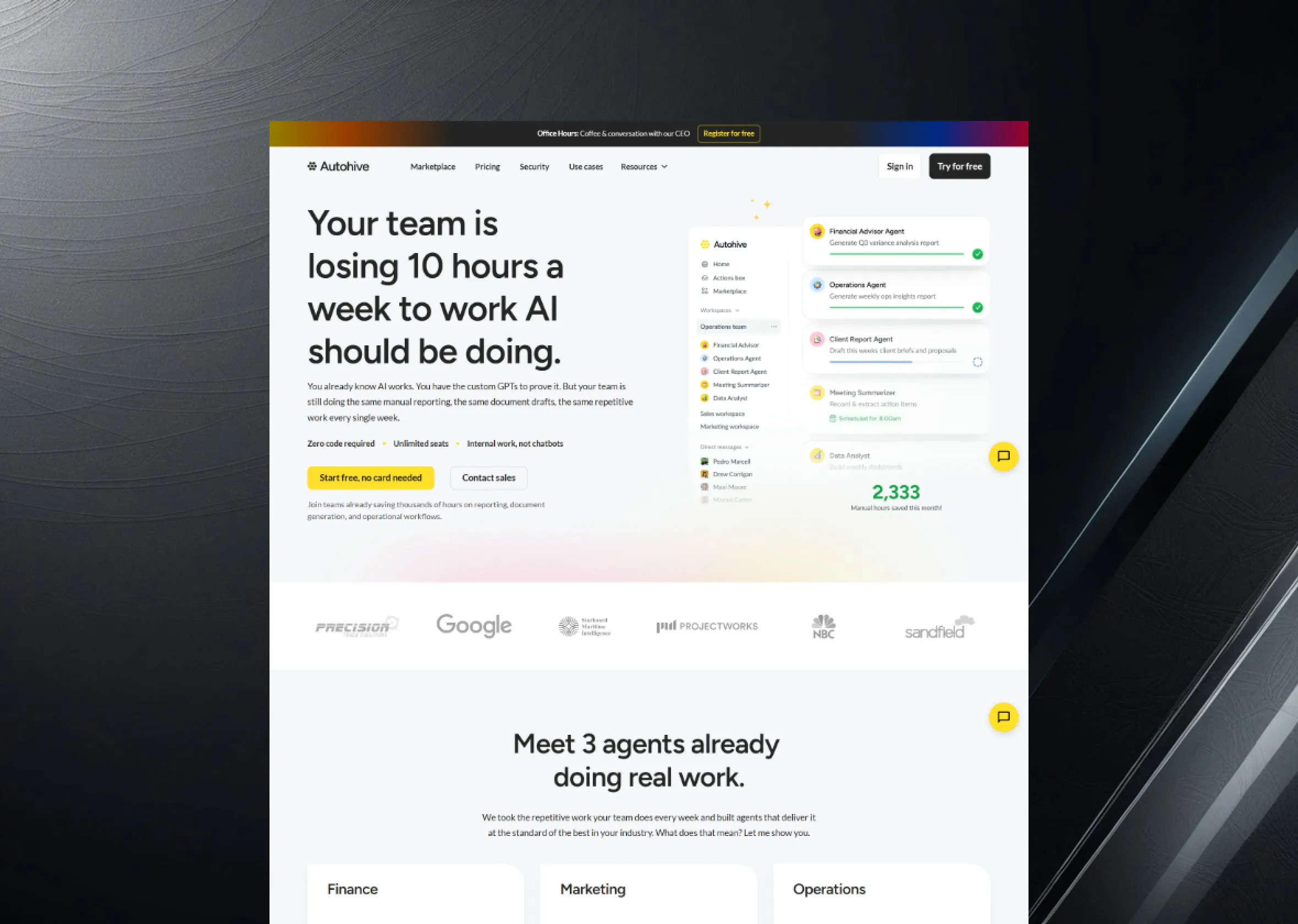
The Autohive home page on dark metal: "Your team is losing 10 hours a week to work AI should be doing."

What we built.

We built the site on Lumos, a component-driven Webflow framework, so every section is a component with its own settings and every new page is assembled from parts that already work. That structure let us generate pages at scale for them, from partner and ambassador programmes to a new pricing page, and keep the site optimised for performance as it grew. It also carried their event calendar: they ran webinars and Build It Live sessions regularly, and each one needed its own page, registration form and countdown, live in days rather than weeks. We also integrated Split, the A/B testing tool we built for Webflow, so changes to key pages could be tested against the version they replaced and the team could see what actually worked before it shipped.

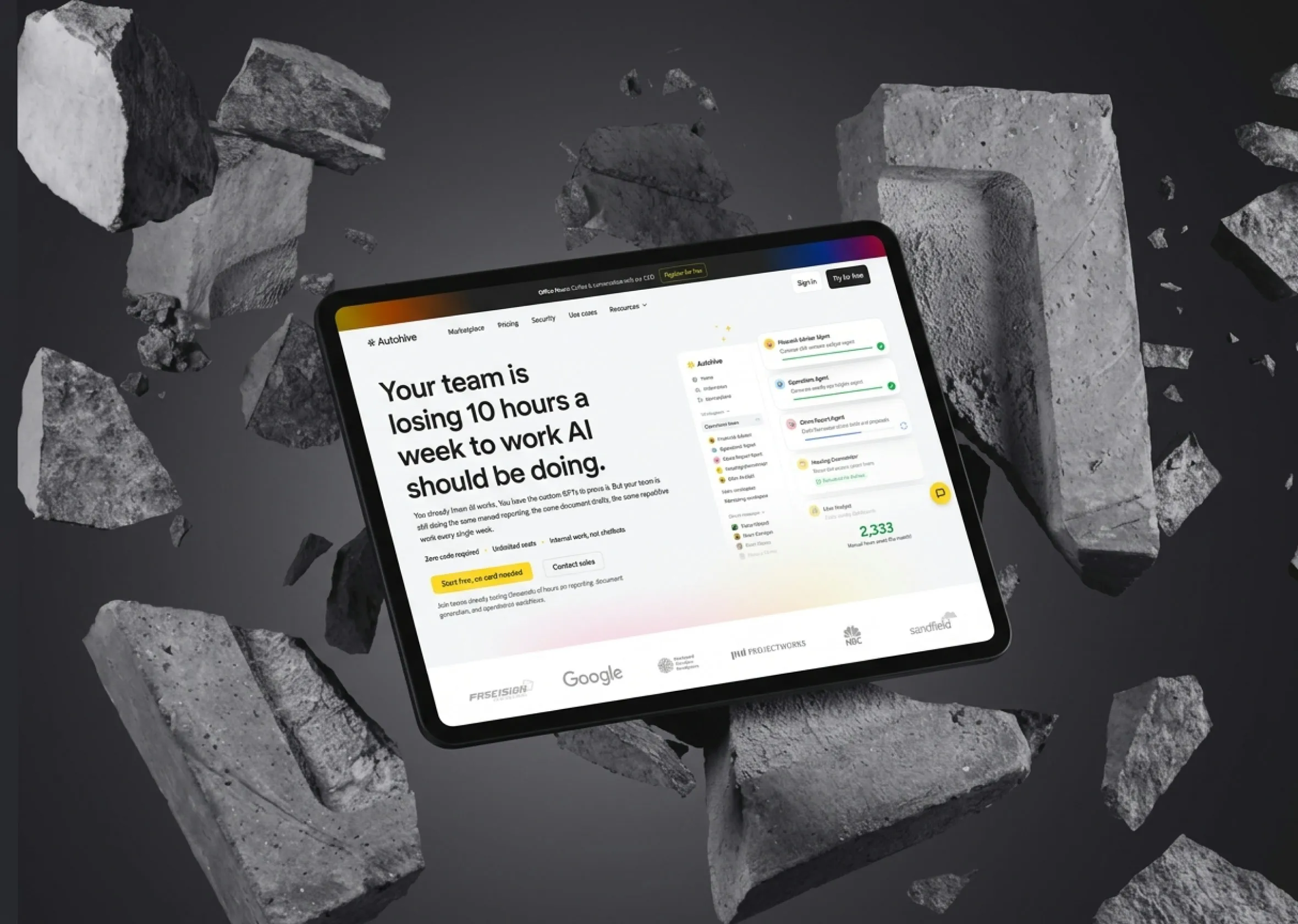
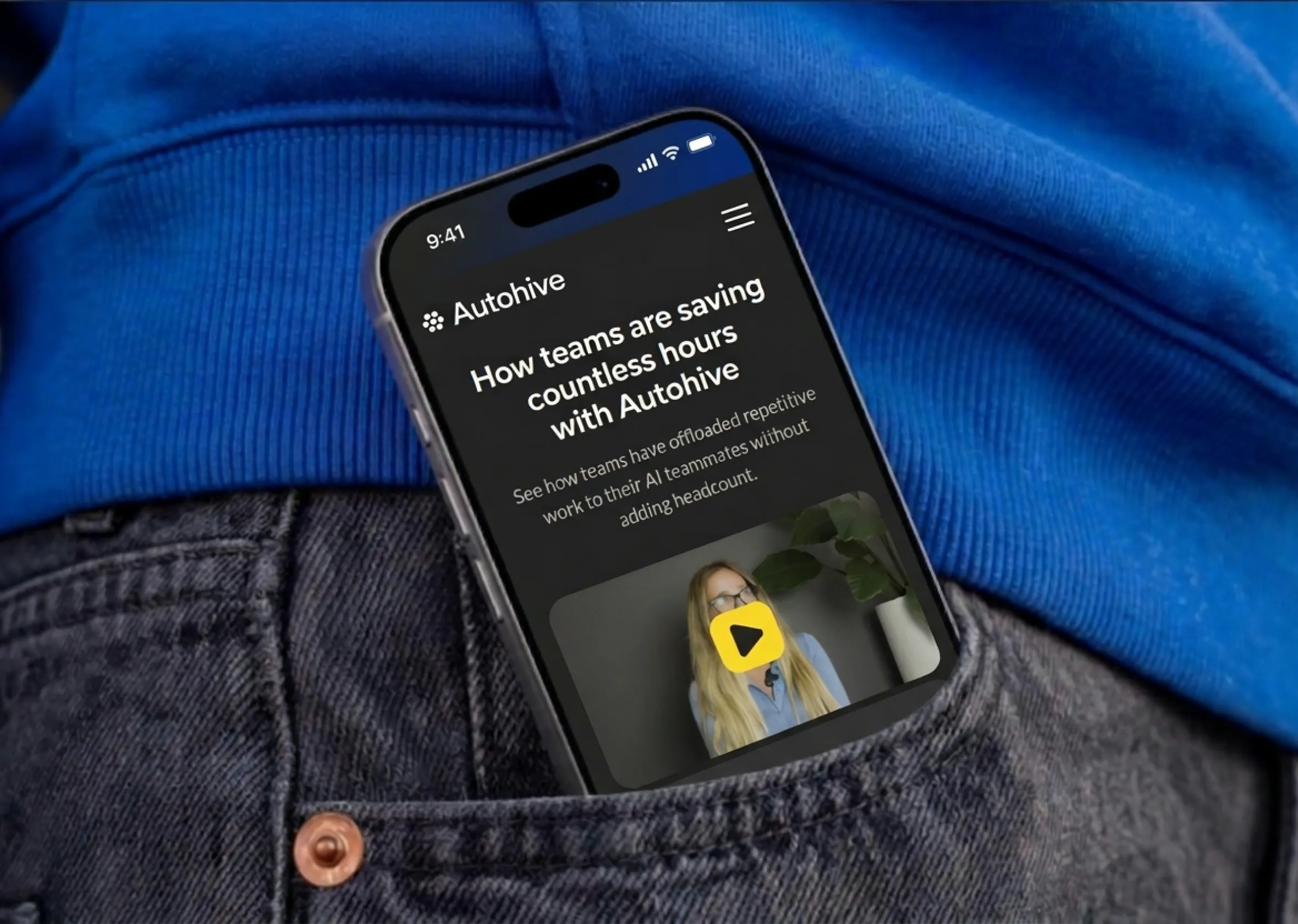
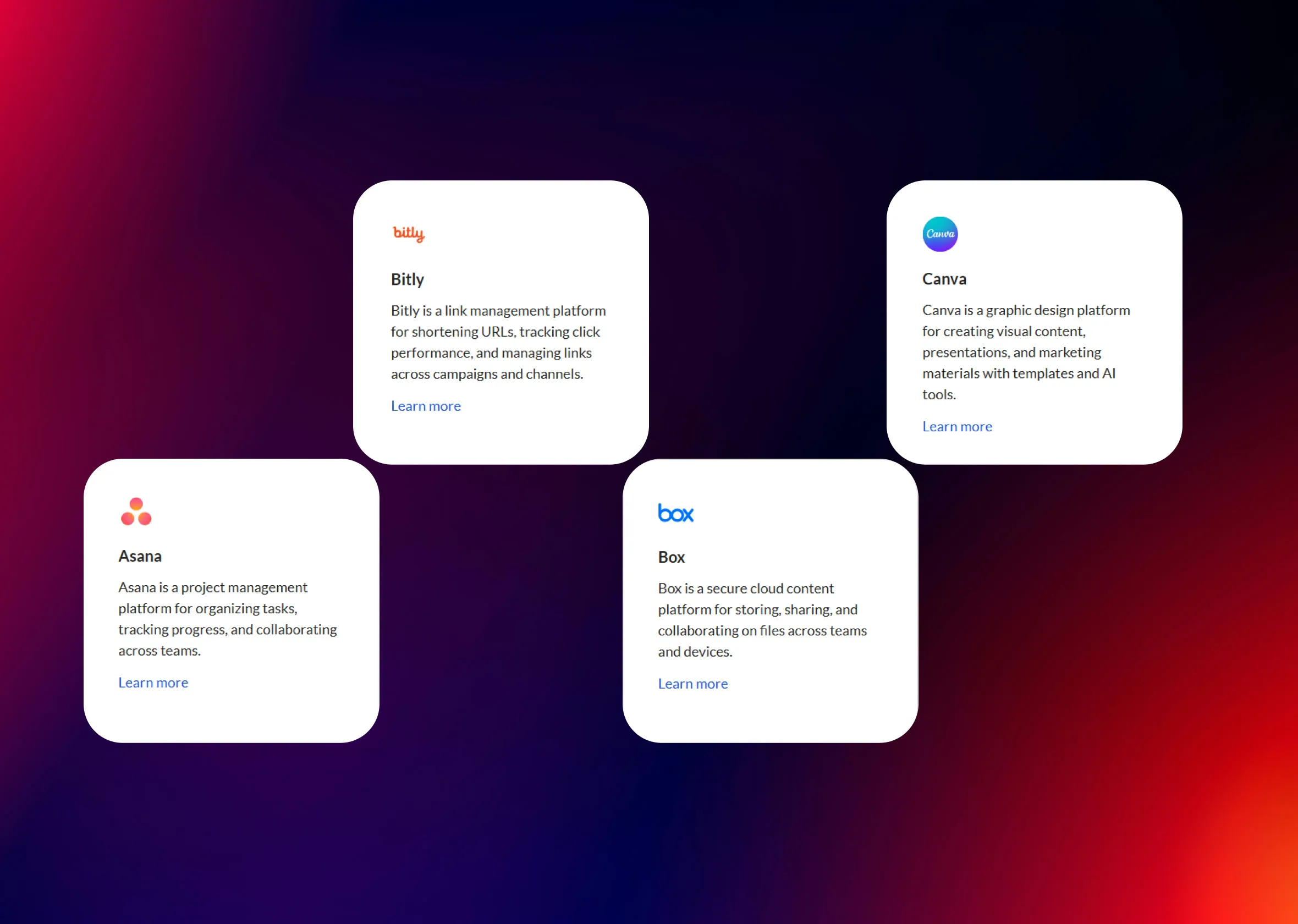
The Autohive site on a phone in a jacket pocket, open on how teams are saving hours with it. Four Autohive integration cards floating on a red and blue gradient. The Autohive home page on a tablet resting on black rock.

What their team does now themselves.

Because the site is built from components, their marketing team builds its own landing pages and makes its own updates: a new campaign page, a webinar, a copy change, published the same day by the people who wrote it. Their designers clean up and extend pages the same way. We connected the site to Webflow over MCP, so their own AI agents can make changes to it directly. And their product can connect to the site too: Autohive runs its own agents against the site to audit pages and create content in the CMS. The company that builds agents now has agents working on its own website.

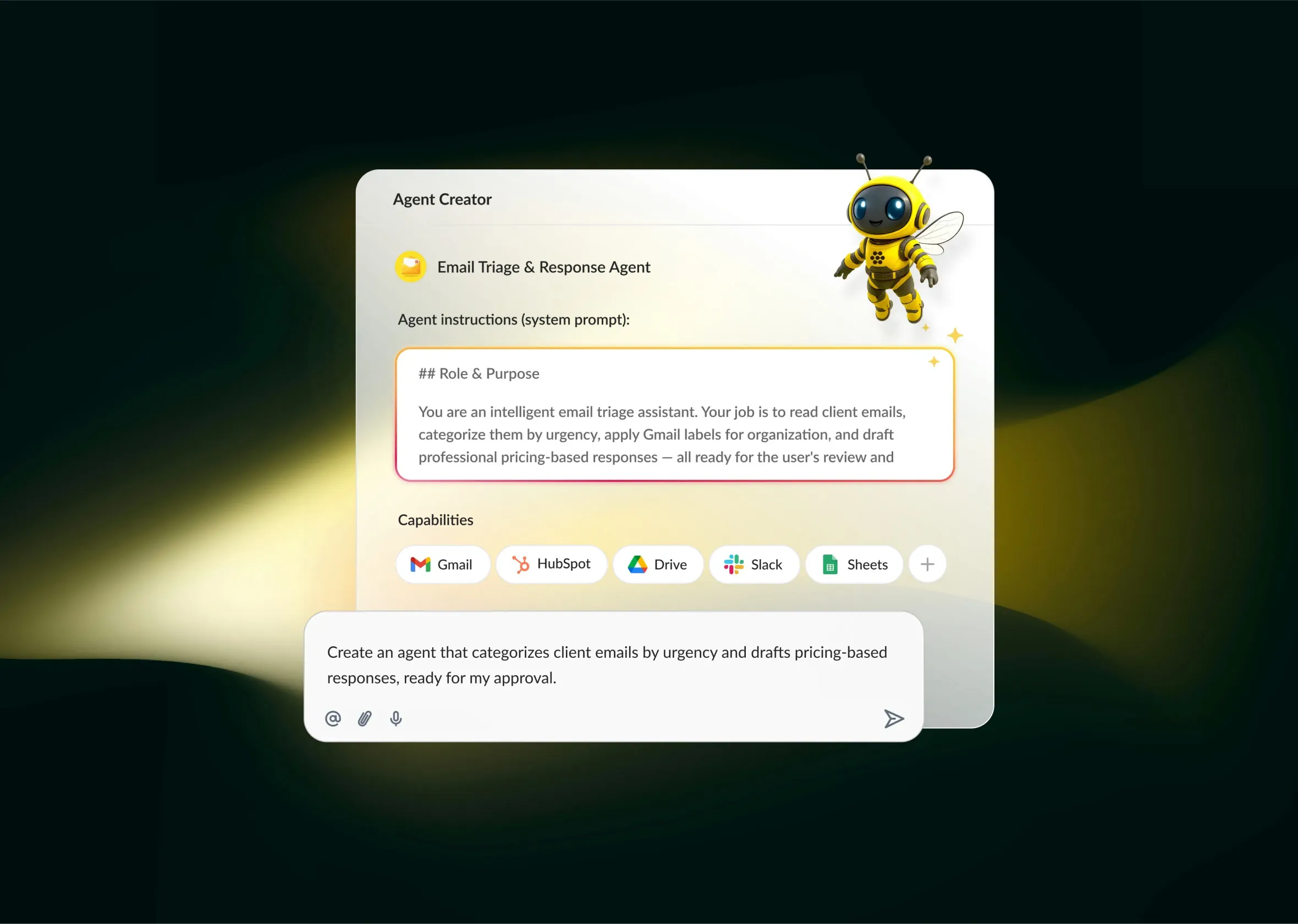
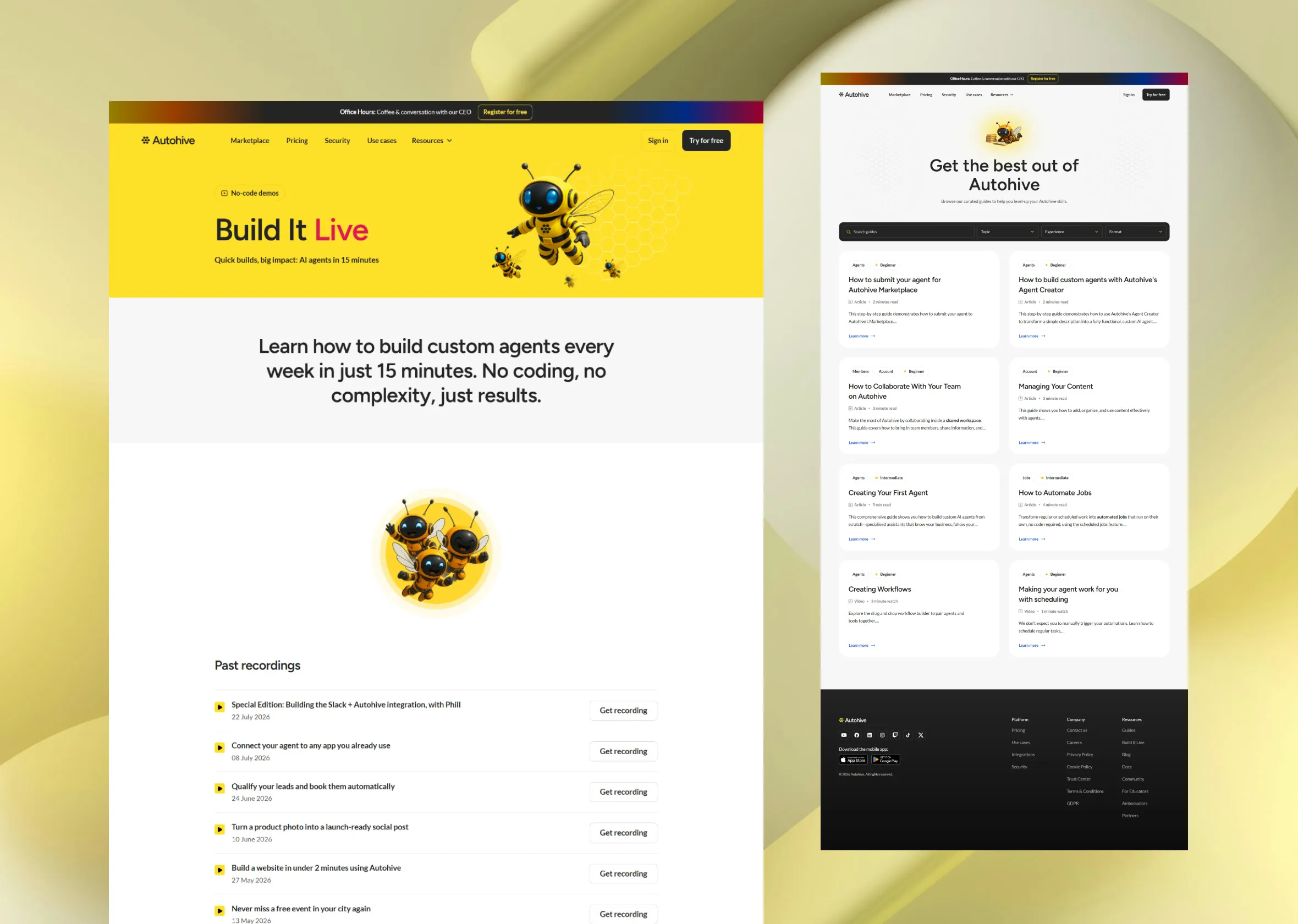
The Autohive agent builder on dark green: an email triage and response agent being configured. Two Autohive pages side by side: the yellow "Build It Live" session page and a dark help page.

The result.

We built their first website with their team and worked alongside them for over a year: shipping pages, running tests, and tightening the system each month. Along the way their marketing team went from sending us requests to building landing pages and making updates themselves, with the system keeping every page on brand. That is the point: a marketing team that runs its own website, not one that waits on an agency.

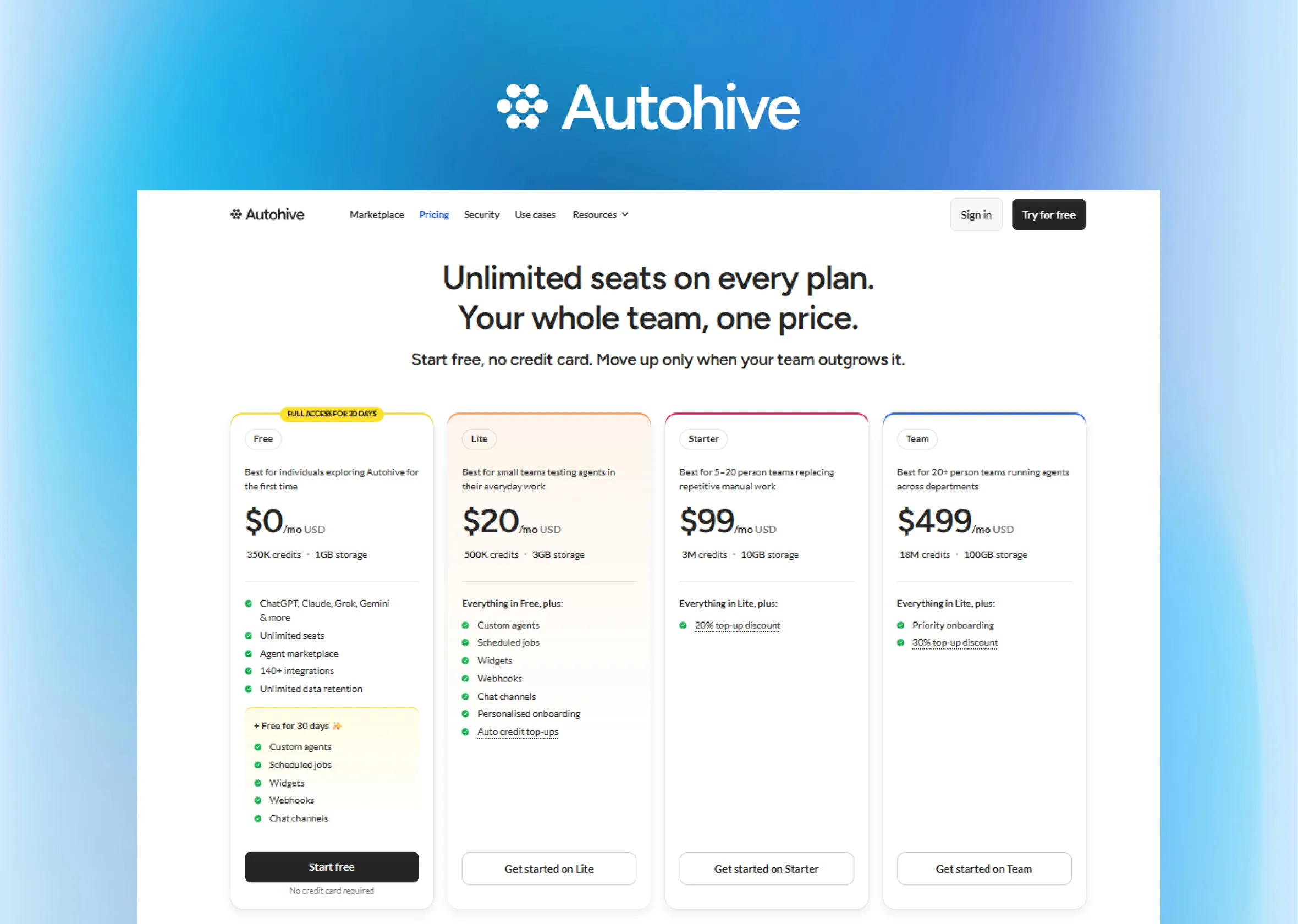
The Autohive pricing page on a blue gradient: "Unlimited seats on every plan."

1 / 7

The Autohive home page on dark metal: "Your team is losing 10 hours a week to work AI should be doing."
The Autohive site on a phone in a jacket pocket, open on how teams are saving hours with it.
Four Autohive integration cards floating on a red and blue gradient.
The Autohive home page on a tablet resting on black rock.
The Autohive agent builder on dark green: an email triage and response agent being configured.
Two Autohive pages side by side: the yellow "Build It Live" session page and a dark help page.
The Autohive pricing page on a blue gradient: "Unlimited seats on every plan."

[ Signal Studio - Digital & AI partner ]

Related case studies

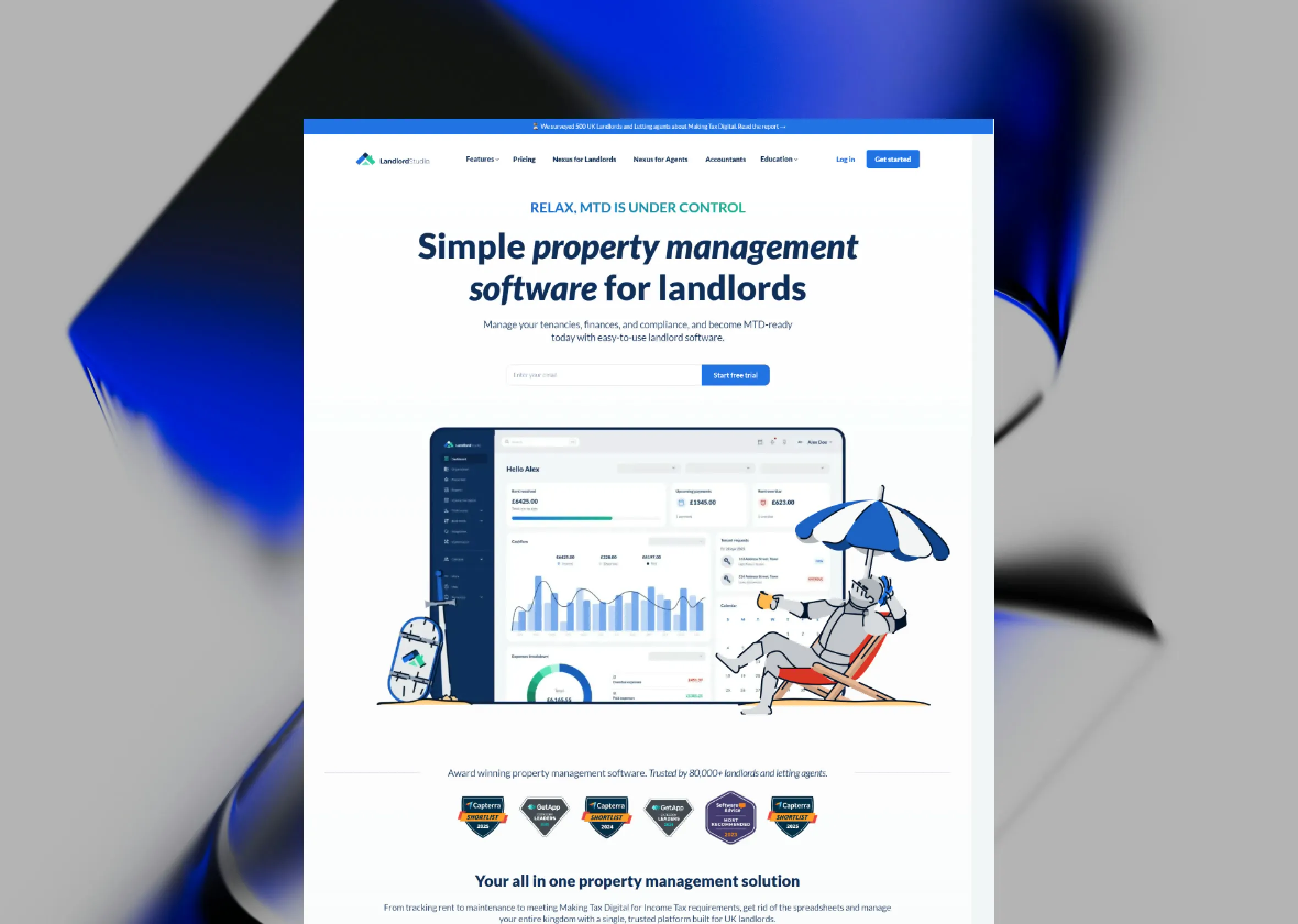
  • The Landlord Studio home page: "Simple property management software for landlords." Landlord Studio: one system for two markets, run by their marketing teamProperty management software for landlords in the US and UK. A five-year-old Webflow build redesigned, migrated onto a component-driven framework, and handed to a marketing team that now builds its own pages with AI.Read more
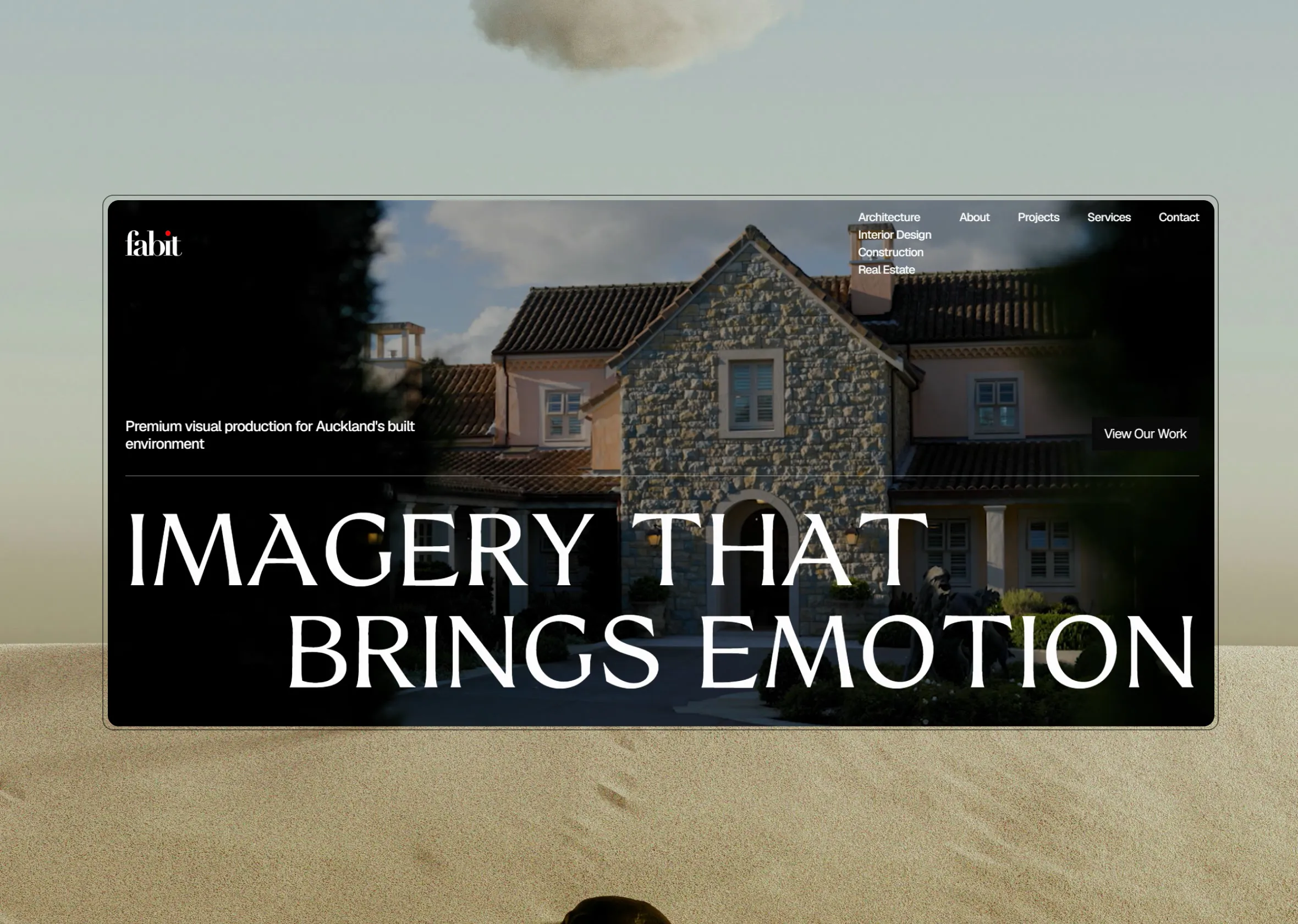
  • The Fabit home page on a screen against stone: "Imagery that brings emotion." Fabit: a website that finally shows the workAn Auckland photography and video studio whose website undersold its work, redesigned around the imagery to win architects, interior designers and high-end builders.Read more
  • The FMW mark on a blue and violet blur. Future of Marketing Work: a brand and website for a three-way eventAn Auckland event on how marketers adapt to digital transformation and AI, brought together by a university, the AI community and an events group. We made the brand, the website and the print.Read more
Signal Studio
Book a Discovery call
AUTOHIVE.MD AUTOHIVE

# Autohive: a website that keeps pace with their marketing team


How we built Autohive a Webflow website their marketing team runs themselves, connected to their AI agents over MCP, with Split for conversion testing.


- Industry

AI automation software


- Service

Webflow design and development, CRO


- Platform

Webflow, Lumos framework


- Stage

Startup


- Company size

10-50 employees


- A/B tests run on the live site in their first month of testing

8


- more pricing-card conversions from a pricing page test

1.9x


- pages built on the site, from CMS templates and static pages

1,250+


A first website built on a component framework their marketing team runs themselves, with their own AI agents and Split testing plugged straight in.


## Where they started


Autohive builds AI agents that take repetitive work off a team's plate, and they needed their first website. They partnered with Signal Studio because they wanted an agency that could match the speed of an AI automation company. Their marketing team ships constantly: launch pages, partner programmes, webinars, live build sessions, new campaigns every few weeks. They wanted a Webflow site that kept that pace from day one, and one their own people could change quickly without being afraid of breaking it the week before a launch.
 

## What we built.


We built the site on Lumos, a component-driven Webflow framework, so every section is a component with its own settings and every new page is assembled from parts that already work. That structure let us generate pages at scale for them, from partner and ambassador programmes to a new pricing page, and keep the site optimised for performance as it grew. It also carried their event calendar: they ran webinars and Build It Live sessions regularly, and each one needed its own page, registration form and countdown, live in days rather than weeks. We also integrated [Split](/tools/split/), the A/B testing tool we built for Webflow, so changes to key pages could be tested against the version they replaced and the team could see what actually worked before it shipped.
 

## What their team does now themselves.


Because the site is built from components, their marketing team builds its own landing pages and makes its own updates: a new campaign page, a webinar, a copy change, published the same day by the people who wrote it. Their designers clean up and extend pages the same way. We connected the site to Webflow over MCP, so their own AI agents can make changes to it directly. And their product can connect to the site too: Autohive runs its own agents against the site to audit pages and create content in the CMS. The company that builds agents now has agents working on its own website.
 

## The result.


We built their first website with their team and worked alongside them for over a year: shipping pages, running tests, and tightening the system each month. Along the way their marketing team went from sending us requests to building landing pages and making updates themselves, with the system keeping every page on brand. That is the point: a marketing team that runs its own website, not one that waits on an agency.
 

// Signal Studio - Digital & AI partner

## Related case studies


- [Landlord Studio: one system for two markets, run by their marketing team](/case-studies/landlord-studio/)

Property management software for landlords in the US and UK. A five-year-old Webflow build redesigned, migrated onto a component-driven framework, and handed to a marketing team that now builds its own pages with AI.


- [Fabit: a website that finally shows the work](/case-studies/fabit/)

An Auckland photography and video studio whose website undersold its work, redesigned around the imagery to win architects, interior designers and high-end builders.


- [Future of Marketing Work: a brand and website for a three-way event](/case-studies/future-of-marketing/)

An Auckland event on how marketers adapt to digital transformation and AI, brought together by a university, the AI community and an events group. We made the brand, the website and the print.